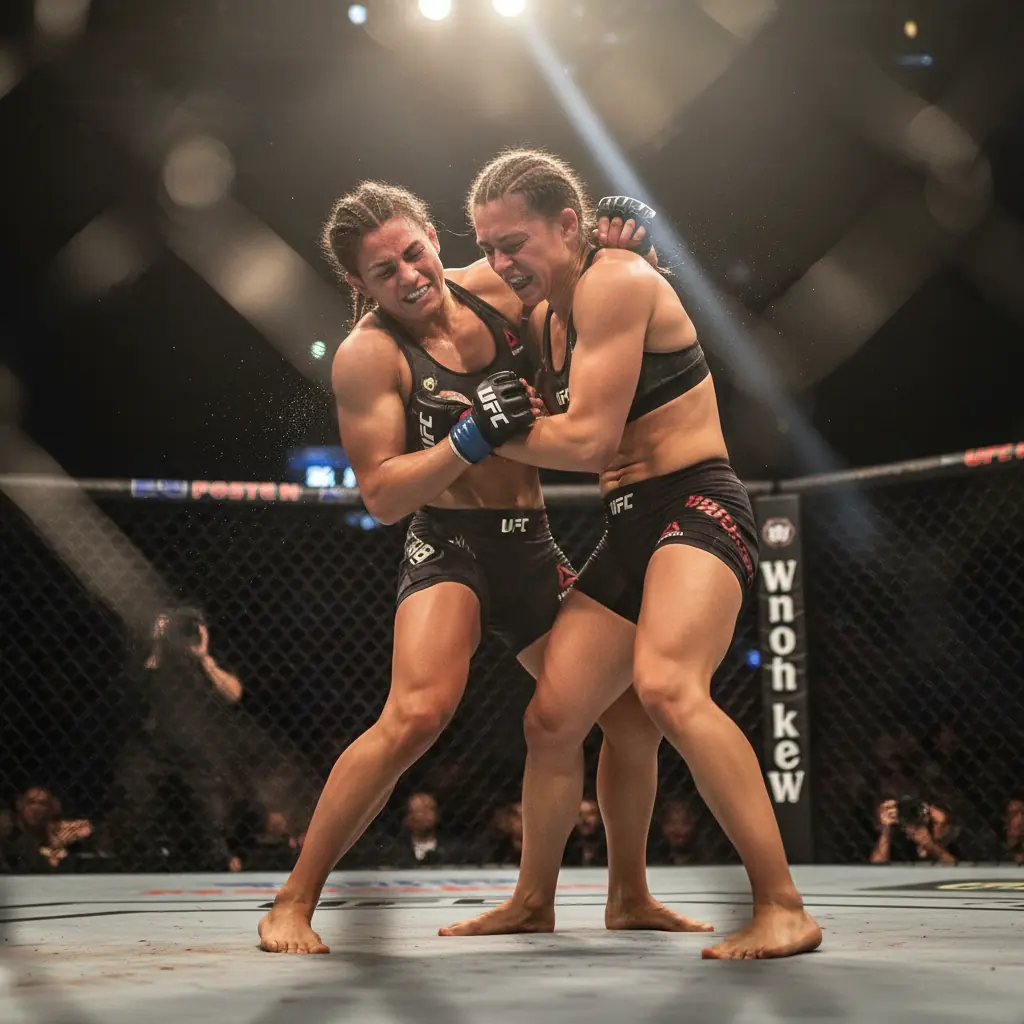
The UFC Women’s Bantamweight division stands as a testament to the evolution of mixed martial arts. This electrifying arena showcases some of the most skilled and determined female athletes in the world. It’s a battleground where technique, strength, and unwavering spirit collide, producing unforgettable moments inside the Octagon. From its inception, the division has been a hotbed of intense rivalries and incredible displays of athleticism, capturing the imagination of fans worldwide.
The Bantamweight division has not only elevated women’s MMA to new heights but has also produced iconic figures who have transcended the sport. This article delves into the current landscape of the UFC Women’s Bantamweight division, scrutinizing the current rankings, highlighting the elite fighters who dominate the scene, and speculating on the future trajectory of this captivating weight class. Prepare for an in-depth analysis of the division’s present and a glimpse into its promising future.
A Brief History of the Division
The history of the division is a captivating narrative of rapid evolution, marked by iconic champions and unforgettable clashes. Its inception saw a surge of interest, largely fueled by the crossover appeal of early stars who brought a new level of mainstream attention to the sport. Ronda Rousey, arguably the face of women’s mixed martial arts for a significant period, dominated the early years, showcasing a grappling-heavy style that proved nearly unstoppable. Her reign, defined by a series of lightning-fast finishes, cemented her status as a pioneer and set a high bar for future competitors.
The landscape shifted dramatically with Holly Holm’s stunning upset of Rousey. This seismic event not only changed the guard but also highlighted the importance of well-rounded striking in a division previously dominated by grappling. The title then became somewhat volatile, changing hands multiple times in relatively quick succession. Miesha Tate briefly held the belt, showcasing her resilience and veteran savvy before falling to Amanda Nunes.
Amanda Nunes then embarked on a dominant run, displaying a fearsome combination of power and technical skill. Her victories over established names solidified her legacy as one of the greatest female fighters of all time. These title changes and rivalries fueled interest of division, attracting new fans and inspiring a new generation of female fighters. The historical overview reveals not just a succession of titleholders, but a dynamic evolution of fighting styles and strategies that continue to shape the sport today.
The Current Champion and Top 5 Contenders
Kayla Harrison (Champion)
Kayla Harrison stands as a formidable force in the UFC, reigning supreme as the Women’s Bantamweight Champion. Her dominance stems from an unparalleled background in wrestling and Judo, a combination that overwhelms opponents both on the feet and on the mat. With a decorated career in Judo, including two Olympic gold medals, Harrison seamlessly transitioned her grappling expertise into mixed martial arts. Her fights are often a display of calculated aggression, using powerful takedowns to control the pace and dictate the engagement.
Harrison’s wrestling acumen allows her to effortlessly secure takedowns, transitioning smoothly into dominant ground positions. From there, she employs a relentless ground-and-pound strategy, softening up opponents before seeking submissions. Her Judo pedigree provides a diverse arsenal of throws and sweeps. Opponents find it incredibly difficult to escape her grasp once taken down. Her grappling prowess is not just about brute strength; it’s a symphony of technique, leverage, and strategy. This sophistication makes her particularly effective in neutralizing the striking threats of her adversaries.
Ones to Watch: Rising Stars and Potential Disruptors
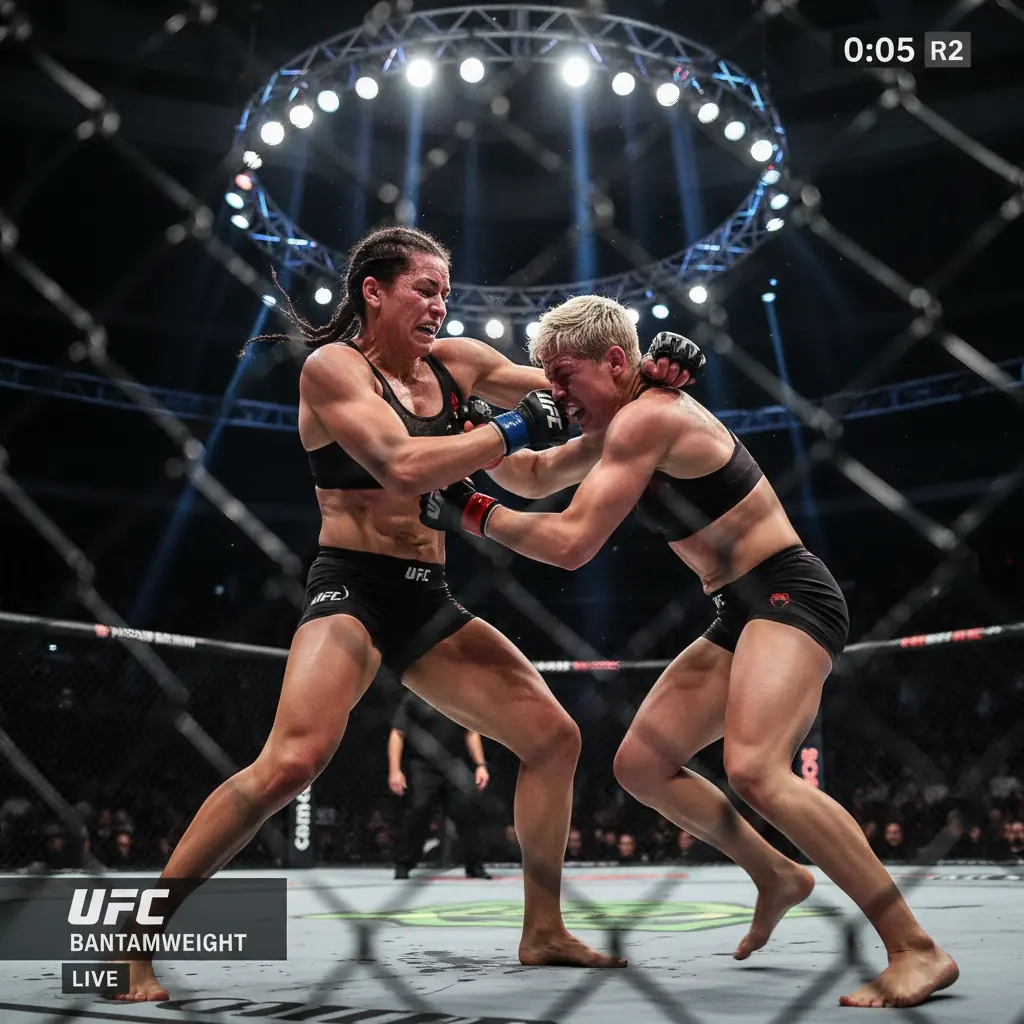
The flyweight division is about to get a serious injection of new blood. Keep your eyes peeled for these rising stars, the prospects and international fighters tipped to disrupt the established order. They’re not just names; they’re potential future contenders, each carving their path with undefeated records and exceptional skills.
Among them is Bilal Hasan, already making waves. At just 24, Hasan is a force, holding the CFFC Flyweight title and showing a striking prowess refined by his Taekwondo background. A Pan American gold medalist in 2017, his explosive power is undeniable, with an 88% finish rate marked by highlight-reel knockouts. What sets Hasan apart isn’t just his fighting skill, it’s his charisma and natural ability to connect with fans. He’s got the kind of presence that could easily translate into major stardom. Hasan is more than a fighter; he’s a complete package ready to explode onto the scene.
Outside of Hasan, fighters like Enkhmandakh Kharkhuu, with a strong amateur pedigree, also holds promise. Each of these fighters brings something unique to the table, and as they climb the ranks, expect the unexpected. It’s a new era for the flyweights, buckle up.
The Grappling Game: Wrestling and BJJ Dominance
In the electrifying world of combat sports, where fists meet fury and strategies unfold with lightning speed, the ground game reigns supreme. Wrestling and Brazilian Jiu-Jitsu (BJJ) stand tall as the twin pillars of grappling dominance, their influence permeating every facet of mixed martial arts and shaping the destinies of fighters. The ability to control an opponent on the ground, dictate the pace, and threaten with submissions is not merely an advantage; it’s often the key to victory.
Wrestling, with its emphasis on takedowns, control, and top pressure, allows fighters to dictate where the fight takes place. A well-timed takedown can nullify an opponent’s striking prowess, turning the contest into a battle of strength, technique, and will. Fighters with strong wrestling backgrounds are adept at controlling their opponents against the cage, wearing them down with relentless pressure and creating opportunities for ground and pound or submission attempts.
BJJ, on the other hand, transforms the ground into a treacherous landscape of joint locks, chokes, and escapes. A BJJ expert can turn a seemingly disadvantageous position into a fight-ending opportunity. Submission wins are a testament to the power of BJJ, showcasing the ability to neutralize an opponent’s size and strength with superior technique and leverage. Ground control, a crucial aspect of BJJ, allows fighters to maintain dominant positions, stifle their opponents’ attacks, and set up submissions.
However, the effectiveness of wrestling and BJJ has varied depending on the era, and evolution of mixed martial arts. Initially, pure BJJ practitioners found success against wrestlers unfamiliar with submission defense. As the sport evolved, fighters cross-trained, and wrestlers developed better submission defense and ground awareness, while BJJ practitioners improved their takedown defense. This convergence has led to a more balanced and dynamic grappling landscape, where fighters must possess a well-rounded skill set to thrive.
Keys to Success in the Bantamweight Division
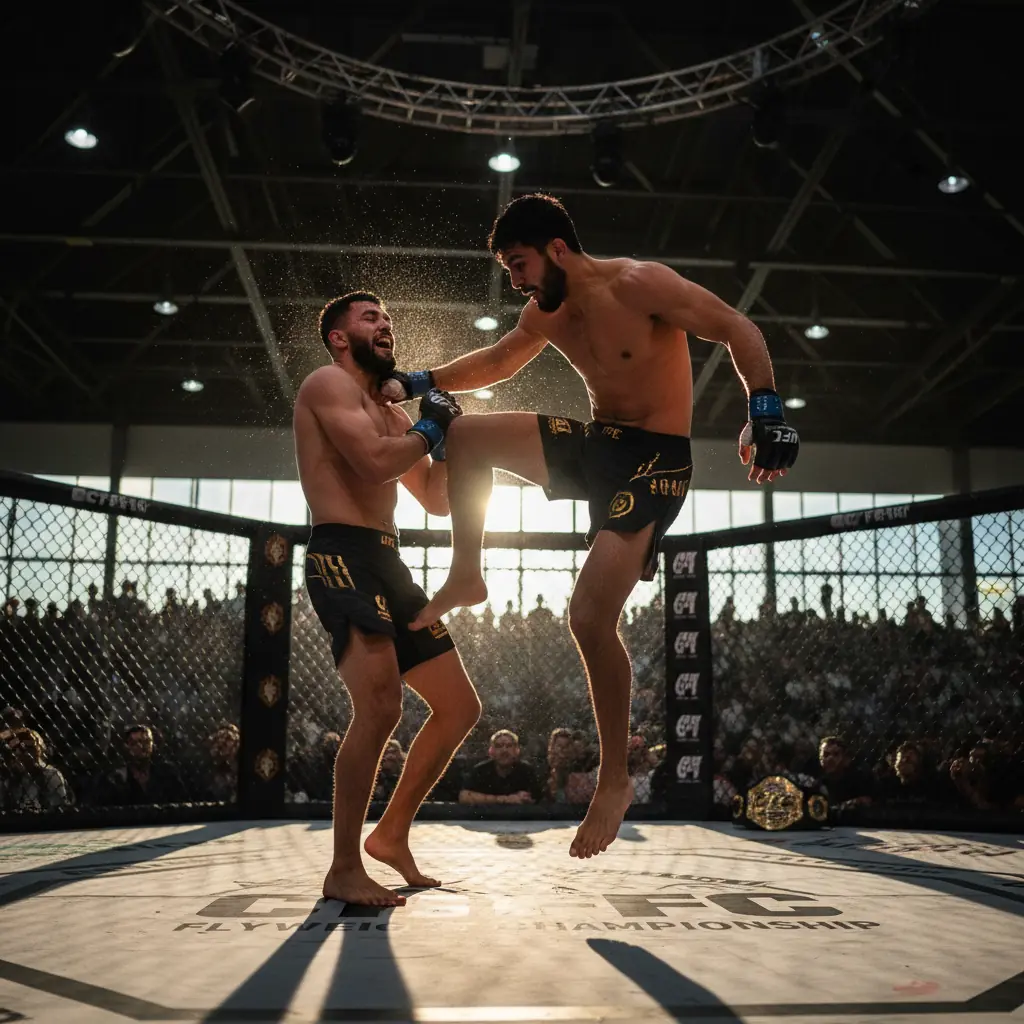
Conquering the bantamweight division demands a blend of finely honed skills and strategic brilliance. It’s a battlefield where raw power alone won’t suffice; success hinges on a multifaceted approach. Fighters aiming for the top must cultivate several key areas to truly dominate.
Fight IQ: A sharp mind is just as crucial as a powerful punch. Analyzing opponents, identifying weaknesses, and adapting mid-fight are hallmarks of a champion. Studying fight footage, understanding common behavioral patterns, and anticipating moves will give a fighter a distinct edge. Developing a deeper understanding of fight dynamics creates opportunities to exploit vulnerabilities.
Cardio: Bantamweight bouts are known for their frenetic pace. Exceptional cardiovascular endurance isn’t just an advantage; it’s a necessity. Fighters need the stamina to maintain relentless pressure, execute complex combinations, and weather the storm when the tide turns. Training must encompass both high-intensity interval training and sustained aerobic exercises to forge an engine that never quits.
Strength and Conditioning: Explosive power and unwavering strength form the bedrock of effective striking and grappling. Tailored strength and conditioning programs, focusing on compound exercises and plyometrics, are vital. These workouts should be designed to enhance speed, power, and overall resilience, preparing the body to handle the brutal demands of each and every round.
Game Planning: Walking into the arena without a meticulously crafted game plan is a recipe for disaster. Each opponent presents a unique puzzle, demanding a customized strategy. Factors like reach, preferred striking range, and grappling prowess must be carefully analyzed and addressed. From controlling the pace of the fight to exploiting specific defensive flaws, a well-defined game plan provides a roadmap to victory.
Mental Toughness: The bantamweight division is a proving ground for mental fortitude. The ability to withstand pressure, overcome adversity, and maintain unwavering focus is often the deciding factor. Positive self-talk, visualization techniques, and resilience-building exercises can forge an unbreakable mindset, and push through pain when others would crumble.
Skill Development: Continuous improvement is the cornerstone of long-term success. Perfecting fundamental techniques, expanding the arsenal with new strikes and submissions, and constantly refining defensive maneuvers are essential. Regular sparring sessions with diverse training partners help fighters adapt to different styles and pressure test new techniques.
Predicting the Future: Potential Matchups and Title Contenders
The unpredictable nature of the fight game makes predictions a risky business, but analyzing current trajectories can offer glimpses into potential future matchups and title contenders. Several compelling scenarios are brewing in various weight classes.
In the lightweight division, a clash between the wrestling prowess of Islam Makhachev and the striking wizardry of Justin Gaethje is a mouthwatering prospect. Makhachev’s dominant grappling and Gaethje’s relentless aggression would create a fascinating stylistic battle. Another potential matchup could see Charles Oliveira seeking revenge against Makhachev, fueled by his desire to reclaim the title. Both have demonstrated incredible finishing ability, making a rematch a guaranteed barnburner.
Looking ahead in the welterweight division, the rise of Shavkat Rakhmonov presents a serious threat to the current champion, Leon Edwards. Rakhmonov’s undefeated record and well-rounded skillset position him as a future title contender. His fight IQ combined with a relentless style, could cause problems for any fighter in the division. Edwards, with his calculated approach and evolved striking technique, would pose a significant test for Rakhmonov.
These are just a few potential matchups on the horizon. As fighters continue to evolve and rankings shift, the landscape of the UFC is constantly changing. Keeping an eye on emerging talents and considering stylistic matchups will be key to predicting the next wave of title contenders. The next UFC events will reveal if these predictions become a reality, or if new stars will emerge to challenge the established order.