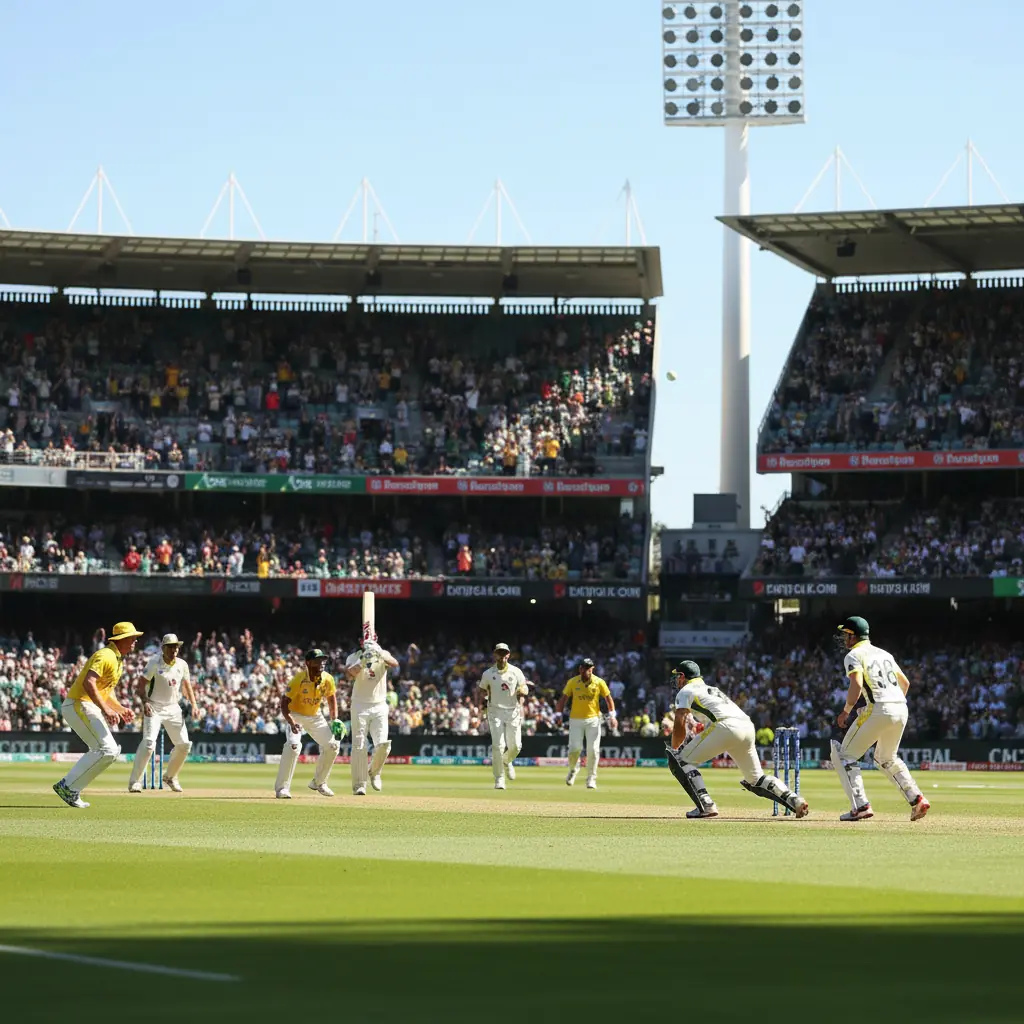
The roar of the crowd is deafening, a sea of green and gold stretching as far as the eye can see. The air crackles with anticipation, a palpable energy that only the Cricket Ashes Boxing Day Test can conjure. I remember my first time at the Melbourne Cricket Ground (MCG) on Boxing Day – the sheer magnitude of the stadium, the vibrant buzz of the crowd, and the electric atmosphere as the first ball was bowled. It wasn’t just a cricket match; it was an experience, a cultural immersion into the heart of Australian sport.
The Boxing Day Test is more than just a game; it’s a ritual, a tradition woven into the fabric of Australian summer. It’s a time for families to come together, for friends to reunite, and for the nation to rally behind its team. Whether you’re a seasoned cricket fan or a curious newcomer, the Cricket Ashes Boxing Day Test offers a unique and unforgettable experience. This guide aims to provide an expert’s insight into understanding and fully appreciating this iconic Australian sporting tradition, so next time, you’ll feel like a true Aussie.
The History & Tradition of Boxing Day
Boxing Day, celebrated on December 26th, has roots stretching back centuries, originating in the United Kingdom. The precise origins are debated, but a common thread involves charitable giving. One theory suggests the name comes from the tradition of churches opening their alms boxes on this day, distributing the contents to the poor. Another links it to tradesmen collecting “Christmas boxes” of money or gifts on the first weekday after Christmas as a thank you for their year-round service. These boxes were essentially tips given for good service throughout the year.
How did this day of giving become synonymous with cricket, particularly in Australia? The connection solidified over time, evolving into a cherished sporting tradition. While the exact genesis is murky, playing cricket on Boxing Day likely emerged as a way to extend the holiday cheer and enjoy the summer weather. Matches, initially informal affairs, gained popularity and structure, eventually leading to the iconic Boxing Day Test match.
The Melbourne Cricket Ground (MCG) has become the spiritual home of the Boxing Day Test, hosting the event since the mid-19th century. The match quickly became a focal point of the Australian summer, with families and friends gathering at the ground or tuning in from across the nation. The atmosphere is electric, blending the excitement of world-class cricket with the festive spirit of the holiday season.
While the core tradition remains strong, there have been subtle shifts over time. The commercial aspects of the day have grown, with Boxing Day sales now a major retail event. However, the Boxing Day Test has maintained its cultural significance, continuing to draw massive crowds and television audiences, embodying the enduring spirit of Australian sporting tradition.
Why the MCG?
The Melbourne Cricket Ground, affectionately known as the MCG, isn’t just any stadium; it’s a sporting cathedral. Its aura, capacity, and history combine to create the ultimate stage for the Boxing Day Test match of the Ashes Series.
Built in 1853, the MCG has witnessed countless historical moments, evolving from a humble cricket ground to a colossal arena. Its towering stands can hold over 100,000 spectators, creating an atmosphere that sends shivers down the spines of even the most seasoned athletes. Imagine the roar of the crowd as an Australian batsman hits a boundary, or the collective gasp when an English bowler takes a crucial wicket – that’s the magic of the MCG.
Beyond its sheer size, the MCG boasts a rich tapestry of history. It was the main stadium for the 1956 Summer Olympics and the 2006 Commonwealth Games, hosted two Cricket World Cup finals, and holds a special place in the hearts of Australians. This storied past infuses the stadium with a palpable energy, a sense of occasion that elevates the Ashes Boxing Day Test from a mere cricket match into an unforgettable sporting spectacle.
The unique characteristics of the MCG make it the ideal venue. Its vastness amplifies the sound, creating an electrifying environment, and its historical significance adds weight to every ball bowled and every run scored. It’s more than just a ground; it’s a living, breathing monument to the sport, and the perfect place to witness the Ashes rivalry unfold.
Atmosphere and Spectacle
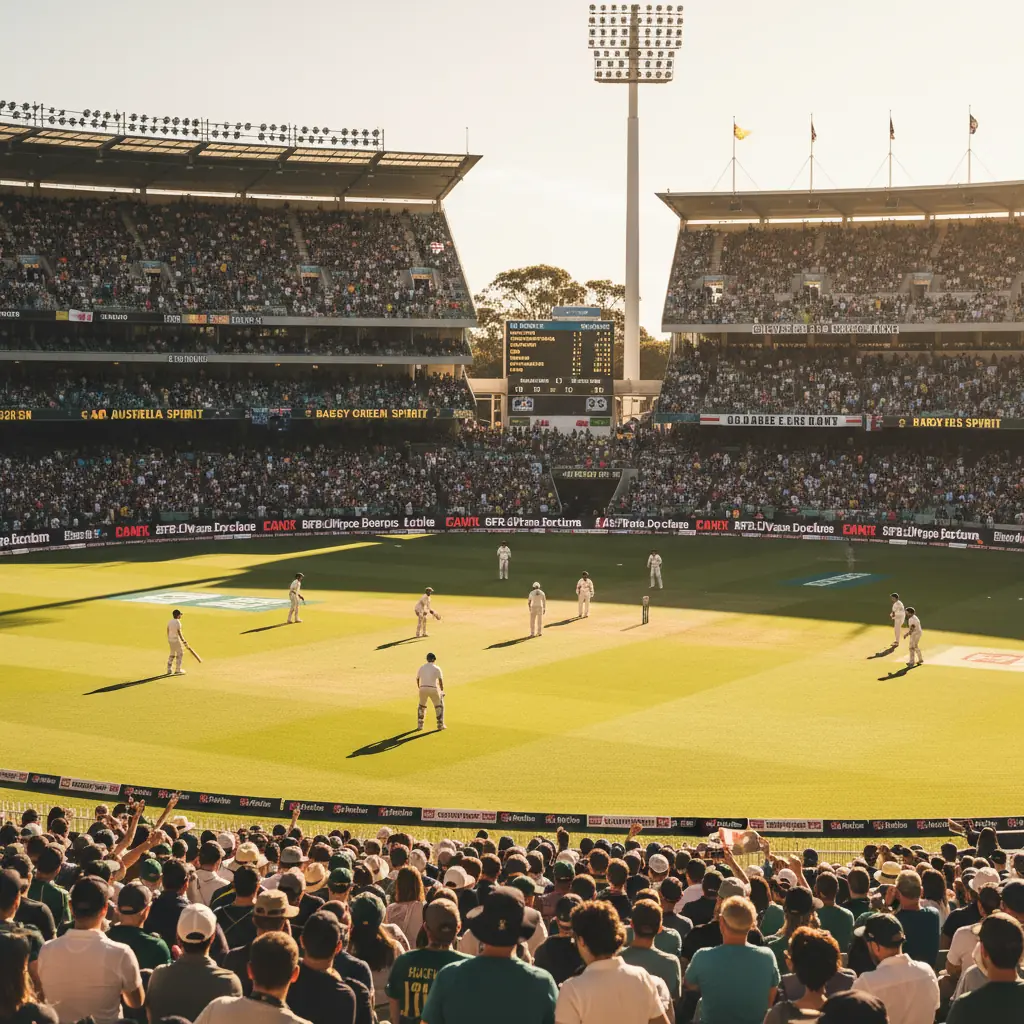
The Boxing Day Test is more than just a cricket match; it’s a cultural phenomenon, a sensory overload of sporting passion and festive cheer. Imagine stepping into the Melbourne Cricket Ground (MCG) on December 26th – a colossal arena buzzing with anticipation. The sheer scale of the crowd, often exceeding 80,000, is breathtaking. It’s a sea of faces, a kaleidoscope of colors, all united by a shared love for the game.
The atmosphere is electric. A palpable energy hangs in the air, a mixture of excitement and nervous tension as the first ball is bowled. The roar of the crowd after a wicket falls is deafening, a primal scream of sporting joy that reverberates through the stadium. The rhythmic clapping, the collective gasps, the spontaneous cheers – it’s a symphony of human emotion orchestrated by the drama unfolding on the pitch.
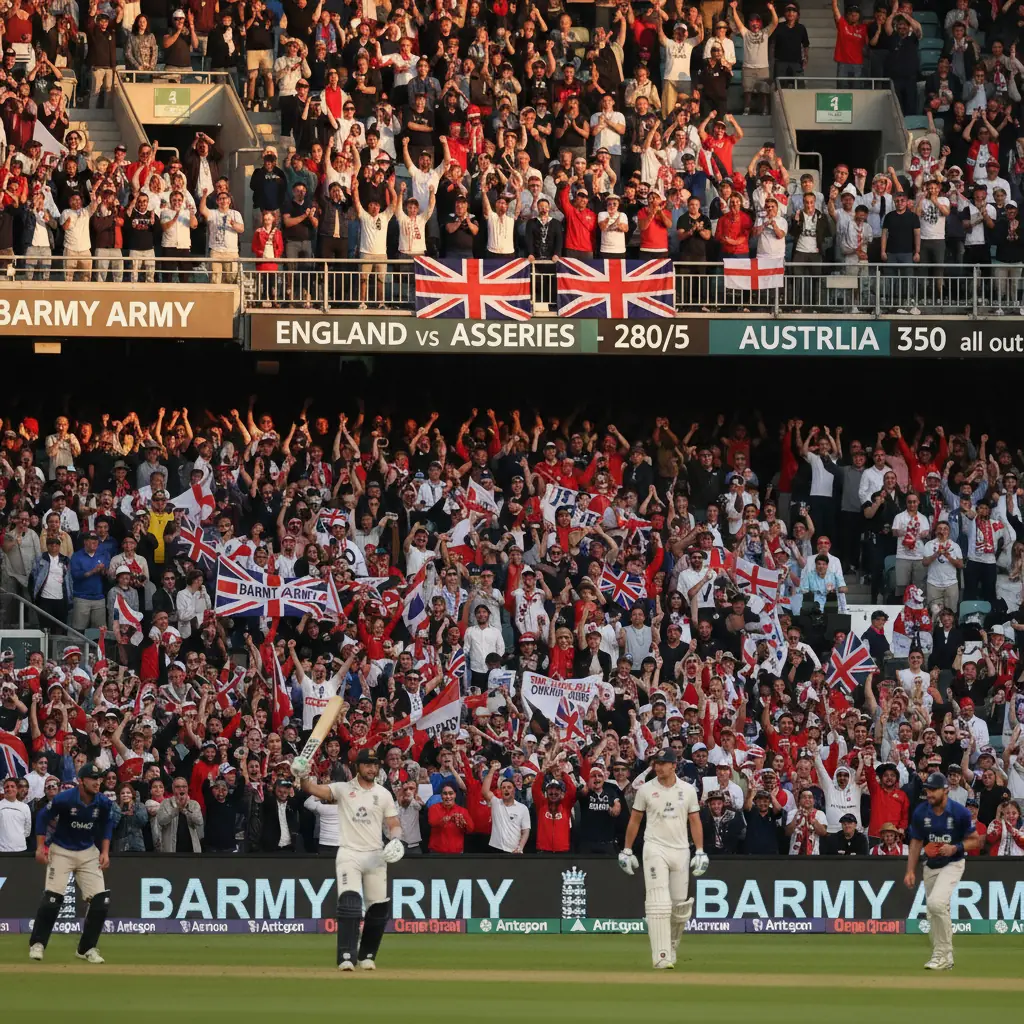
Then there’s the Barmy Army, the boisterous English supporters, adding their unique brand of humor and musicality to the occasion. Their songs, often witty and irreverent, fill the gaps between overs, creating a carnival-like atmosphere. They are an integral part of the Boxing Day Test experience, a reminder of the historical rivalry and the enduring spirit of sportsmanship.
What sets the Boxing Day Test apart is the sense of occasion. It’s a tradition, a ritual, a shared experience that transcends generations. Families gather, friends reunite, and strangers bond over their love of cricket. It’s a celebration of summer, of sport, and of the enduring values of camaraderie and competition. The MCG transforms into a cauldron of passion, where every ball bowled and every run scored adds to the legend of this iconic sporting event. It is a truly unique and unforgettable spectacle – a must-experience for any sports enthusiast.
Memorable Boxing Day Test Moments
The Boxing Day Test at the Melbourne Cricket Ground (MCG) is more than just a cricket match; it’s a sporting pilgrimage. Over its storied history, the hallowed ground has witnessed moments of breathtaking brilliance, crushing defeats, and unforgettable drama, forever etching themselves into Ashes folklore. These aren’t just cricket highlights; they are moments that define careers and ignite the passion of fans worldwide.
One such moment arrived in the 1982 Ashes Test. Australia, chasing a modest target of 292, crumbled under pressure. The tension was palpable as the last pair, Allan Border and Jeff Thomson, edged closer. With just four runs needed, Thomson, not known for his batting prowess, attempted a wild swing and was caught behind. The silence was deafening, broken only by the roar of the English crowd. This dramatic finish showcased the unpredictable nature of cricket and the incredible pressure cooker environment of the MCG.
Fast forward to 2006, and another Boxing Day Test etched itself into memory. Shane Warne, in his final Ashes series, delivered a magical performance in his penultimate Test match. His mesmerizing leg-spin bamboozled the English batsmen. The atmosphere was electric as Warne dismantled the English batting lineup, claiming his 700th Test wicket. This was not just a personal milestone; it was a symbolic moment, a fitting farewell to one of cricket’s greatest showmen in front of an adoring home crowd.
More recently, the 2010 Boxing Day Test saw England dominate Australia, securing an innings victory and moving closer to retaining the Ashes. This match was a masterclass in disciplined batting and relentless bowling. It demonstrated England’s strategic superiority and their ability to perform under the immense pressure of the occasion. The comprehensive victory was a stark reminder of the Ashes’ unpredictable nature, where fortunes can shift dramatically from one series to the next. These moments, and countless others, make the Boxing Day Test a unique and cherished event in the cricketing calendar, a stage where legends are made and dreams are both realized and shattered.
The Ashes Context
The Ashes series is more than just a cricket tournament; it’s a clash of cricketing titans, steeped in history and national pride. The rivalry between Australia and England has been burning for well over a century, fueling intense competition and unforgettable moments on the pitch. Each test match in the Ashes is a battle, but the Boxing Day Test holds a unique significance.
Nestled within the larger Ashes series, the Boxing Day Test, played annually at the Melbourne Cricket Ground (MCG), offers a crucial turning point. Occupying a prime spot in the series calendar, often mid-way, makes it a pivotal moment. A victory here injects substantial momentum, shifting the psychological advantage to the winning side. Conversely, a defeat can be a crushing blow, potentially derailing a team’s aspirations and leaving lasting scars. The immense crowd and festive atmosphere only amplify the pressure.
Looking back through Ashes history, there are numerous instances where the Boxing Day Test has proven decisive. Whether it’s served as a springboard for a dominant series victory or been the catalyst for an unexpected comeback, its impact resonates far beyond the five days of play. The outcome can dictate team selection, alter strategies, and ultimately shape the destiny of the entire Ashes campaign. It’s a pressure cooker where legends are made, and dreams are shattered under the scorching Australian sun.
Expert Insights: Player Perspective
The Boxing Day Test is unlike any other cricket match. The sheer scale of the event, the roar of the crowd, and the weight of history all combine to create an atmosphere that can be both exhilarating and incredibly daunting. For players, managing the Boxing Day Test pressure is a crucial test of their mental fortitude.
Cricket player psychology plays a massive role. It’s about staying present, focusing on each ball, and blocking out the external noise. Visualisation techniques, deep breathing exercises, and pre-match routines become even more vital in maintaining composure amidst the chaos. The ability to compartmentalise, to separate the occasion from the task at hand, is what separates those who thrive from those who crumble.
The physical demands of cricket during the Boxing Day Test are also significant. Playing in the Australian summer heat takes a toll. Hydration, nutrition, and recovery become paramount. The bowlers, in particular, face a grueling challenge, often required to bowl long spells in energy-sapping conditions. Careful workload management and strategic use of fielders are essential to conserve energy and prevent exhaustion. The mental and physical fatigue can accumulate quickly, so players need to be adept at recognising their limits. The Ashes player experience becomes a mix of pressure, excitement, and physical endurance.
Effective communication with teammates and coaches becomes even more important during the Boxing Day Test. Sharing experiences, supporting each other, and maintaining a positive team environment can help mitigate the pressure and ensure that everyone is performing at their best. Expert cricket analysis shows that teams who manage the mental and physical challenges most effectively are the ones who ultimately lift the trophy.
Looking Ahead: Future of the Boxing Day Test
The Boxing Day Test, steeped in tradition, faces a dynamic future amidst an evolving sporting landscape. While its historical significance and cultural resonance are undeniable, several challenges loom. Changing fan preferences, particularly the growing appeal of shorter formats like T20 cricket, pose a potential threat to the enduring allure of five-day Test matches. Scheduling conflicts within the increasingly congested international cricket calendar also necessitate careful consideration.
However, these challenges also present opportunities. By strategically adapting and innovating, cricket authorities can ensure the Boxing Day Test remains a premier event. Enhancing the fan experience through improved stadium facilities, interactive technologies, and engaging pre- and post-match entertainment can attract new audiences while retaining loyal supporters. Furthermore, exploring innovative marketing strategies and leveraging digital platforms can expand the reach and visibility of the Boxing Day Test globally.
Preserving the unique atmosphere and traditions of the Boxing Day Test is paramount. By striking a balance between respecting the past and embracing the future, cricket can safeguard this cherished event for generations to come. Keeping the momentum involves actively promoting the event’s historical significance, showcasing the exceptional skills of participating players, and fostering a sense of community and shared experience among fans worldwide. The future of cricket may be uncertain, but the Boxing Day Test has the potential to remain a highlight on the sporting calendar.
Conclusion
The Boxing Day Test is more than just a cricket match; it’s a cornerstone of Australian identity, woven into the fabric of the nation’s sporting culture. It is more than just a sport; its influence makes it a cultural institution. From nail-biting Ashes clashes to unforgettable individual performances, the memories forged at the MCG on Boxing Day resonate far beyond the cricket pitch. The roar of the crowd, the camaraderie, and the sheer excitement create an atmosphere unlike any other.
As the years pass, the Boxing Day Test legacy endures, a testament to the timeless appeal of cricket and its power to unite a nation. Witnessing it in person is an experience every sports enthusiast should aspire to or, at the very least, appreciate its impact and tradition. So, immerse yourself in the spirit of the game!