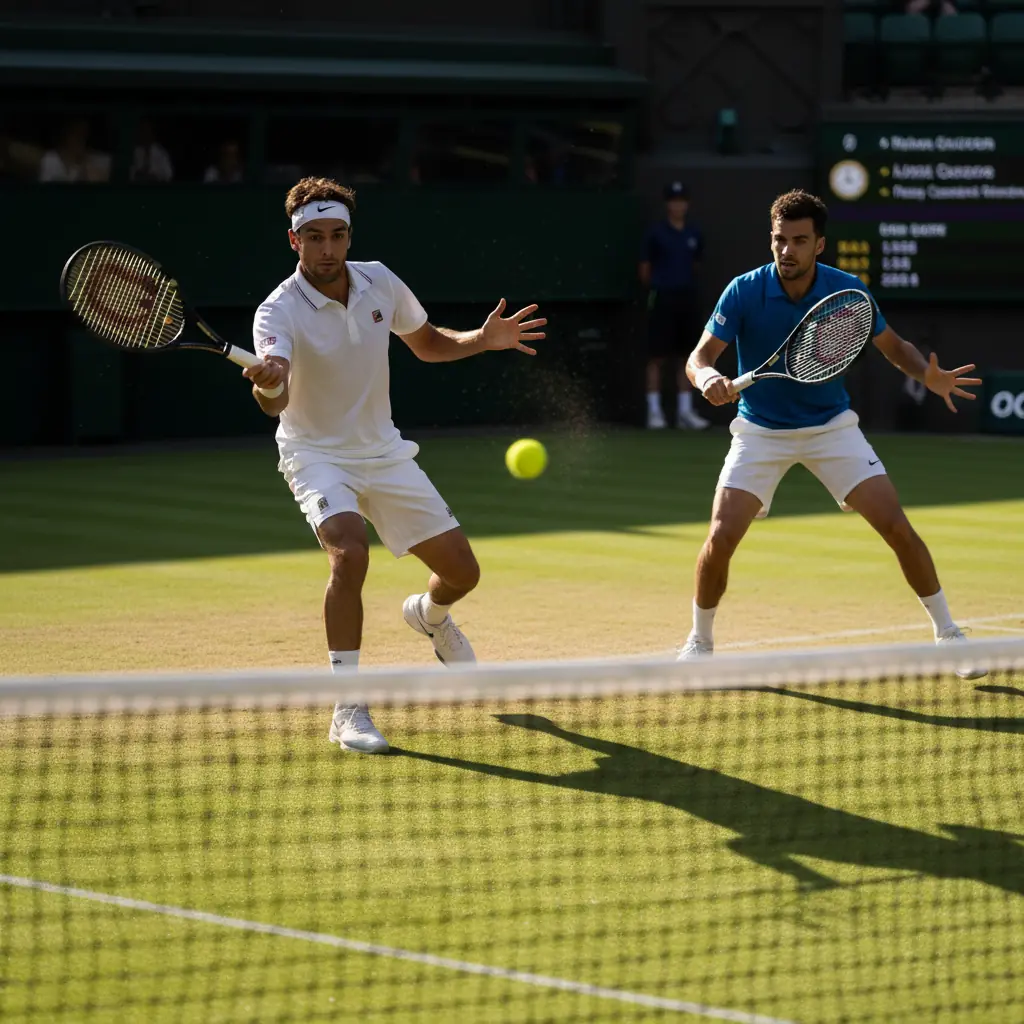
Wimbledon. The very name conjures images of pristine green lawns, royalty in attendance, and the echoing thwack of tennis balls under the bright summer sun. It’s a tournament steeped in tradition, a jewel in the crown of Grand Slam tennis, and a dream for every player who picks up a racquet. But behind the glamour and the global spotlight lies a starkly different reality: the Wimbledon Qualifying Competition.
For every Roger Federer who graces Centre Court, there are hundreds of hopefuls battling it out on the outer courts, far from the roar of the crowds and the gaze of television cameras. These are the players on the fringes, the amateurs daring to dream, the seasoned professionals fighting to stay relevant. They endure grueling matches, unpredictable weather, and the constant pressure of knowing that their Wimbledon hopes hang by a thread. As someone who has witnessed the dedication and sacrifice firsthand, I can tell you that the road to Wimbledon is paved with sweat, tears, and a relentless pursuit of a dream that, for many, remains just out of reach.
Demystifying the Wimbledon Dream: Qualification Pathways
Gaining entry to the hallowed grounds of Wimbledon is a dream for every tennis player. While the main draw showcases the sport’s elite, many hopefuls must navigate a challenging path to earn their place. This involves understanding the ranking system, battling through the qualifying tournament, or, for a lucky few, receiving a coveted wildcard.
Understanding the Ranking System
The ATP (Association of Tennis Professionals) and WTA (Women’s Tennis Association) rankings are the primary gateway to automatic qualification. These rankings are a meritocracy, reflecting a player’s performance over the preceding 52 weeks. Players accumulate points by competing in various tournaments throughout the year, from Grand Slams to smaller ITF (International Tennis Federation) events. As you climb the ladder competing in tournaments all over the world you are able to collect important points. The more you win, the more points you are able to collect to climb the ATP or WTA ranking. Securing a spot within the top 104 of either ranking generally guarantees direct entry into the Wimbledon main draw.
Navigating the Qualifying Tournament
For players outside the coveted top 104, the Qualifying Competition presents another avenue to Wimbledon. This is a separate tournament held in the week preceding the main event, and it’s a battleground! The format is a single-elimination, or knockout, tournament. Hopefuls must win three consecutive matches to earn a spot in the main draw. It’s a grueling test of skill, endurance, and mental fortitude, but for those who prevail, it’s a sweet taste of victory.
Wildcard Wonders: An Opportunity or a Lottery?
Wildcards are discretionary entries awarded by the All England Club, the organizers of Wimbledon. These are golden tickets. While performance on the court should matter overall, the decisions are not always objective. These precious invitations are often extended to promising young British players, players who have a strong history at Wimbledon, or notable players returning from injury. While a wildcard can provide a significant boost to a player’s career, they are also subject to debate and scrutiny, as many deserving players vie for a limited number of spots.

The Toughest Grind in Tennis: Pressure and Perseverance
The qualifying rounds of any major tennis tournament are a crucible, forging champions through intense pressure and demanding perseverance. It’s a high-stakes environment where dreams are made and shattered within the confines of a tightly contested court. The players who emerge from this gauntlet possess not only exceptional skill but also an unparalleled mental fortitude. The competition is relentless, the stress palpable, and the constant need to perform at your peak can be overwhelming. Each match is a battle, each point a test of wills, and every game a step closer to either victory or defeat.
Imagine stepping onto the court, knowing that your entire tournament hinges on this single match. The weight of expectations, both internal and external, bears down heavily. The pressure to perform, to not let yourself or your team down, intensifies every movement. Players employ various coping mechanisms to navigate through this psychological minefield. Some focus on their breathing, finding a rhythm that calms their nerves. Others visualize success, mentally rehearsing the shots they need to execute. Self-talk is another powerful tool, reminding themselves of their strengths and past achievements. Maintaining focus becomes a conscious effort, blocking out distractions and staying present in the moment. It’s about mastering your mind to master the game.
The Mental Toll: Handling Pressure and Expectations
The ability to manage mental pressure is crucial. Players often create routines to remain grounded. These can include specific warm-up exercises, a consistent approach to the baseline between points, or particular phrases repeated internally. Many athletes also benefit from mindfulness practices, which enhance their awareness and reduce anxiety. Expectations from coaches, family, and even themselves can add another layer of stress. Learning to prioritize the process over immediate outcomes helps players approach each match with a clearer focus. Ultimately, cultivating a resilient mindset enables them to navigate the inevitable ups and downs of the qualifying rounds with greater composure.
The Physical Demands: Endurance and Recovery
The qualifying rounds are a war of attrition, testing the limits of physical endurance. Players often face back-to-back matches in stifling heat, pushing their bodies to the absolute brink. Recovery becomes just as important as training. Strategies like ice baths, massage therapy, and strategic nutrition play a vital role in repairing muscles and replenishing energy stores. Consistent hydration is key, along with electrolyte replacement to combat fatigue. Sleep also becomes a precious commodity, allowing the body to rebuild and recover. Players are very attuned to their body, any sign of fatigue must be promptly addressed to prevent injuries and maintain peak performance throughout the grueling qualifying journey.
The Mental Game: More Important Than You Think
While grueling hours on the court honing serves and perfecting backhands are undeniably crucial for Wimbledon qualifying, aspiring players often overlook a critical component: the mental game. It’s easy to get swept up in the technical aspects, but true success hinges on the ability to cultivate unwavering focus, unwavering resilience, and a positive mindset. The pressure cooker environment of qualifying demands more than just physical prowess; it demands mental fortitude.
Imagine stepping onto the court, the weight of expectation pressing down. Doubt creeps in. Has all of the hard work paid off? Can you handle the pressure? This is where mental strength becomes your greatest asset. Visualization techniques, for instance, can be transformative. By mentally rehearsing successful plays, feeling the rhythm of the game, and visualizing victory, you build confidence and prime your mind for optimal performance. Mindfulness, the practice of being present in the moment, allows you to block out distractions and maintain concentration, even when facing adversity. It’s not just about hitting the ball; it’s about controlling your mind.
A positive attitude acts as a shield, deflecting negativity and fueling your drive. Negativity can be as contagious as a yawn, turning a minor setback into a major meltdown. By creating a robust mental game, players do more than prepare; they arm themselves.
Building Resilience: Bouncing Back from Setbacks
Resilience isn’t about avoiding setbacks; it’s about how you respond to them. Every player faces adversity – a bad call, a missed shot, a tough opponent. The key is to develop strategies for managing failure and mitigating stress. Treat each setback as a learning opportunity, analyzing what went wrong and adjusting your approach accordingly. Cultivate a growth mindset, believing that your abilities can be developed through dedication and hard work. Remember that setbacks are temporary detours, not dead ends. Mental strength is about getting up one more time than you fall.
The Power of Positive Self-Talk and Visualization
The conversations you have with yourself matter. Negative self-talk can sabotage your performance, while positive affirmations can fuel your confidence. Replace self-doubt with empowering statements like, “I am capable,” “I am prepared,” and “I can overcome this challenge.” Visualization complements self-talk by creating vivid mental images of success. See yourself executing flawless shots, maintaining composure under pressure, and ultimately achieving your goals. Mental imagery reprograms your mind for success, making physical triumph more attainable. You begin to play the way you practice. Then, you practice the way you visualize and believe.
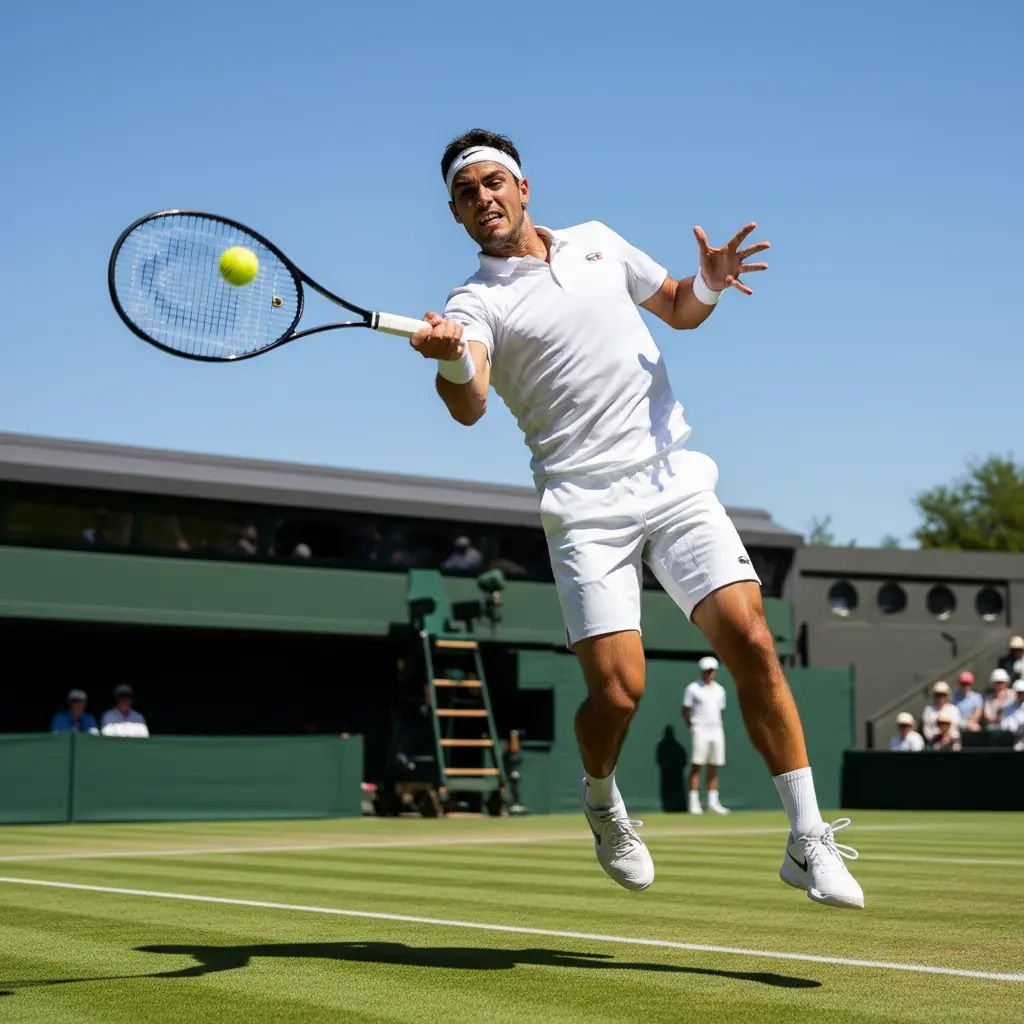
Crafting Your Path to Qualifying: Actionable Strategies
Qualifying isn’t about luck; it’s about meticulous preparation, strategic training, and cultivating a mindset that thrives under pressure. It demands a holistic approach, transforming raw talent into honed skill.
Sharpening Your Physical Edge
Physical conditioning forms the bedrock of any successful qualifying campaign. It’s not just about being in shape; it’s about building the specific kind of endurance, strength, and agility required for your particular challenge. Tailor your training regimen to mimic the demands you’ll face. For example, if your qualifying event involves prolonged periods of intense activity, incorporate interval training that simulates those bursts of energy followed by periods of recovery. Don’t neglect core strength, the unsung hero of stability and power. Drills such as planks, Russian twists, and medicine ball throws will fortify your core, improving balance and preventing injuries. For greater agility and speed, ladder drills and cone exercises will sharpen reaction time and footwork, essential skills to overcome your competitors.
The Art of Strategic Preparation
Preparation transcends physical prowess. It involves understanding your opponents, dissecting their strengths and weaknesses, and devising strategies to exploit vulnerabilities, and that could be reading books or attending courses. Study their past performances, analyze their techniques, and anticipate their moves. Knowledge is a powerful weapon. Also, prepare for different scenarios. Imagine yourself facing various challenges during the qualifying event and mentally rehearse your responses. This mental rehearsal will build confidence and reduce anxiety when faced with the real thing.
Cultivating a Champion’s Mindset
Mindset is the invisible force that separates contenders from champions. It’s about developing unwavering belief in your abilities, maintaining focus under pressure, and bouncing back from setbacks with resilience. Visualize success. See yourself performing flawlessly, overcoming obstacles, and achieving your goals. Use affirmations to reinforce positive beliefs and crush negative self-talk. I once faced a seemingly insurmountable challenge during a qualifying match. Down two sets, with my opponent on match point, I could have easily succumbed to despair. Instead, I took a deep breath, reminded myself of all the hard work I had put in, and focused on winning the next point. This shift in mindset allowed me to regain my composure, turn the tide, and ultimately emerge victorious. This experience taught me the immense power of a focused and resilient mindset. You could read books related to focus training to perform better.
Beyond the Baseline: Life After Qualifying (or Not)
Celebrate or Regret: Learning from the Wimbledon Grind
The Wimbledon qualifying tournament is over. The players are now facing a range of experiences. For some, it’s the realization of a dream – stepping onto the hallowed grounds of the All England Club for the main draw. For others, it’s the sting of defeat, the end of their Wimbledon journey for this year. Regardless of the outcome, this experience is a pivotal moment in a tennis player’s career.
Those who qualify enter a whirlwind. The main draw is a different beast altogether. The crowds are bigger, the stakes are higher, and the competition is fiercer. Players find themselves thrust into the spotlight, dealing with media attention and the pressure to perform. It’s an incredible opportunity to showcase their skills, gain ranking points, and potentially change their lives forever. However, it also comes with challenges such as managing expectations, handling nerves, and adapting to the increased intensity. Securing their finances is key, as they must be prepared to compete at an elite level consistently.
For those who don’t qualify, the disappointment can be crushing. All those months of hard work, the sacrifices made, and the dream of playing at Wimbledon dashed, at least for now. It’s easy to fall into a spiral of negativity, questioning their abilities and their future in the sport. However, it’s crucial to remember that failure is a part of the process.
Regardless of the outcome, the most important thing is to learn from the experience. After each match, players should take the time to analyze their performance, identify their strengths and weaknesses, and understand where they can improve. They need to honestly assess areas where they were lacking, acknowledging their mistakes without dwelling on them. Players can review video, talk to their coaches, and reflect on their mindset. Learn from this and focus on the incredible work they are doing towards their tennis objectives. Celebrate wins by understanding each match is a new opportunity to get better and develop the player’s performance overall.
Conclusion
Qualifying for Wimbledon is a marathon, not a sprint. It demands unwavering dedication, relentless practice, and the mental fortitude to overcome setbacks. The path is arduous, fraught with fierce competition and the pressure of performing on one of the world’s most prestigious stages. But, armed with the right preparation, a resilient spirit, and a burning desire to compete, the dream of playing at Wimbledon is within reach. Embrace the challenge, learn from every experience, and never give up on your aspirations. As the legendary Billie Jean King once said, “Champions keep playing until they get it right.” The hallowed grounds of Wimbledon await those who dare to pursue their dreams with unwavering perseverance.
Additional resources
For more information about Wimbledon and tennis in general, consult these resources: the All England Lawn Tennis Club’s official page, the TennisLibrary and the ITF page.